RM 45K
Monthly Revenue300m²
Growing Space25+
Restaurant ClientsFrom Corporate Executive to Successful Urban Farmer
After 15 years in corporate banking, I was searching for something more meaningful and sustainable. Jehosuduw Academy transformed that dream into reality.
The Journey Begins
I discovered Jehosuduw Academy while researching urban farming opportunities in 2020. The COVID-19 pandemic had disrupted global food supply chains, revealing vulnerabilities in our food systems. I saw hydroponic farming as both a business opportunity and a way to contribute to local food security.
Starting with zero agricultural experience, I enrolled in the Hydroponic Fundamentals course in January 2021. The hands-on training approach immediately resonated with me. Rather than just theory, we were building systems, mixing nutrients, and solving real problems. The instructors brought decades of practical experience, sharing not just what works but why it works and how to troubleshoot when things go wrong.
Building the Foundation
After completing the fundamentals course, I immediately registered for Vertical Farming Systems and Commercial Production courses. Each course built on previous knowledge while introducing new concepts and techniques. The commercial production course proved especially valuable—it covered business planning, market analysis, and financial projections that would have taken years to learn through trial and error.
During training, I developed my business plan with instructor guidance. They helped me identify realistic production targets, estimate startup costs accurately, and develop marketing strategies. This planning phase prevented costly mistakes I see other new farmers make—overbuilding capacity, underestimating operating costs, or failing to secure customers before first harvest.
From Plan to Reality
I launched Urban Greens Kuching in June 2021 with a modest 100-square-meter facility in Tabuan Jaya. My initial investment totaled approximately RM 180,000, covering facility lease, system construction, environmental controls, and three months of operating capital. This aligned closely with projections from my business plan, though a few surprises still emerged.
The first three months tested everything I'd learned. Despite careful planning, challenges arose: pH swings in my NFT system, fungal issues from inadequate air circulation, and timing difficulties coordinating harvests with delivery schedules. Each problem sent me back to my course materials and often resulted in calls to academy instructors, who generously provided ongoing support even after graduation.
Finding Product-Market Fit
My initial crop selection focused on butter lettuce and oak leaf lettuce—safe choices with proven market demand. However, conversations with restaurant chefs revealed opportunities for specialty items they couldn't source locally: microgreens, edible flowers, and gourmet herbs like purple basil and lemon thyme.
Pivoting toward these premium items transformed my business economics. While lettuce generated RM 8-12 per kilogram, microgreens commanded RM 120-180 per kilogram. The faster turnover (7-14 days versus 35 days) meant I could produce multiple crops monthly from the same growing space. By month six, specialty crops represented 60% of my production and 75% of my revenue.
Scaling Operations
As demand grew, I expanded systematically. Rather than immediately maxing out my space, I added production capacity in 50-square-meter increments every three months. This approach let me refine systems and train new staff gradually, maintaining quality while growing. By late 2022, I'd expanded to 300 square meters across two facilities.
Today, Urban Greens Kuching supplies 25 restaurants and hotels in Kuching, plus three retail outlets. We produce approximately 500 kilograms weekly of assorted greens, herbs, and microgreens. Monthly revenue averages RM 45,000 with net margins around 35% after all expenses. These numbers exceed my projections from the original business plan—validation of both the business model and the training that made it possible.
Lessons Learned
Several factors proved critical to success. First, the comprehensive training from Jehosuduw prepared me for both the technical and business aspects of farming. Second, starting small and scaling gradually allowed learning without catastrophic failures. Third, focusing on high-value specialty crops rather than commodity items created better margins and competitive differentiation.
The ongoing support from the academy community also proved invaluable. Fellow graduates share insights, troubleshoot problems collaboratively, and even coordinate on large orders. This network effect amplifies the value of the initial training investment.
Looking Forward
I'm now planning a third facility focused entirely on microgreens and edible flowers, with projected opening in 2026. I've also begun mentoring new growers, sharing lessons from my journey. The transition from corporate banking to urban farming exceeded my expectations in every way—financial returns, personal satisfaction, and social impact all surpass what I left behind.
For anyone considering this path, my advice is simple: invest in proper training first. The knowledge and connections gained through Jehosuduw Academy compressed my learning curve from years to months. That head start makes all the difference between struggling and thriving in this competitive industry.
Ready to Start Your Own Success Story?
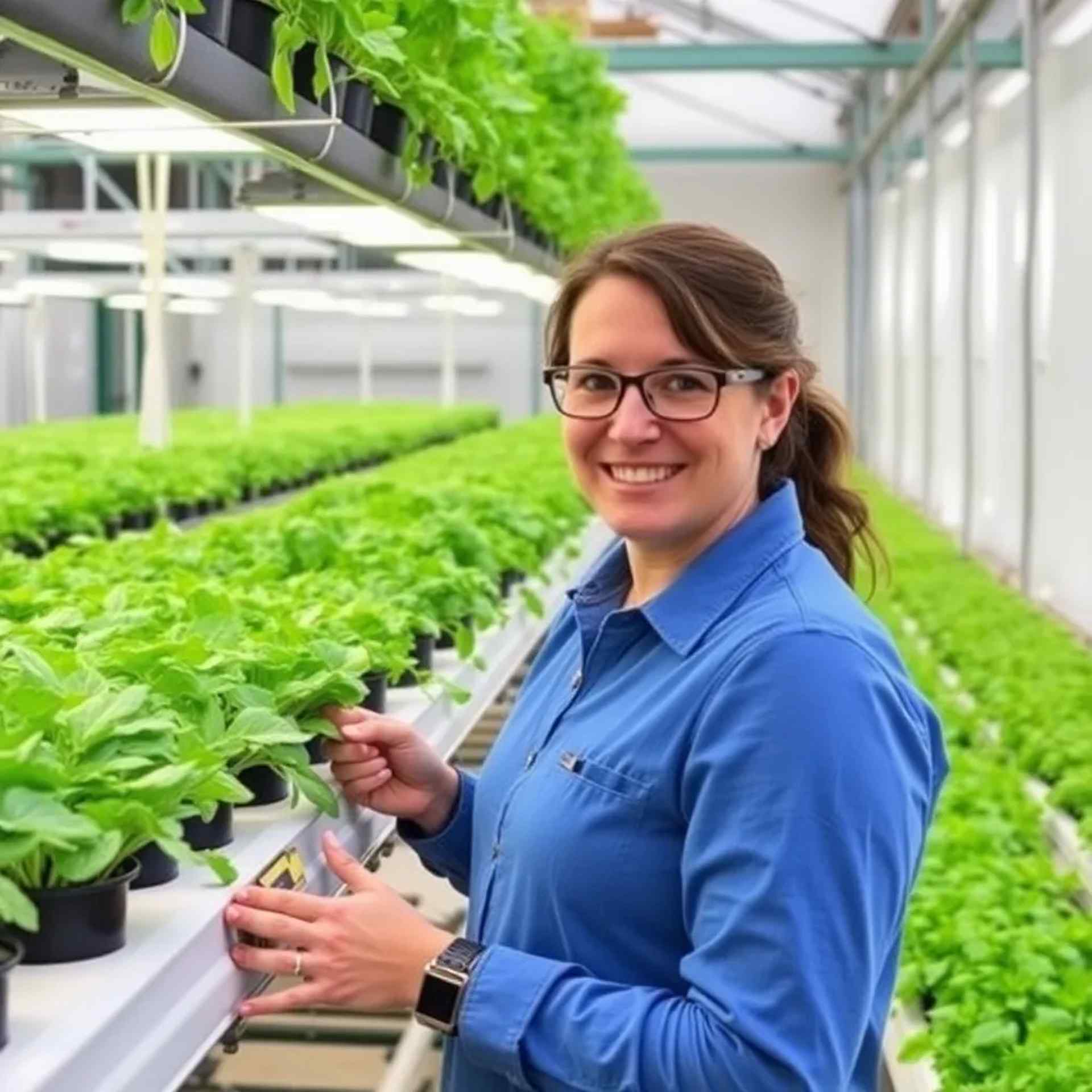
Marcus completed our Commercial Production and Vertical Farming Systems courses. These programs provide the foundation for building profitable hydroponic businesses.
Explore Our Programs