The Complete Guide to Nutrient Film Technique (NFT) Systems
Nutrient Film Technique (NFT) represents one of the most efficient and popular hydroponic growing methods worldwide. This system involves a continuous flow of nutrient-rich water over plant roots, creating an ideal environment for rapid growth while minimizing water consumption. Understanding the principles and implementation of NFT systems is crucial for anyone serious about commercial or home hydroponics.
Understanding NFT Fundamentals
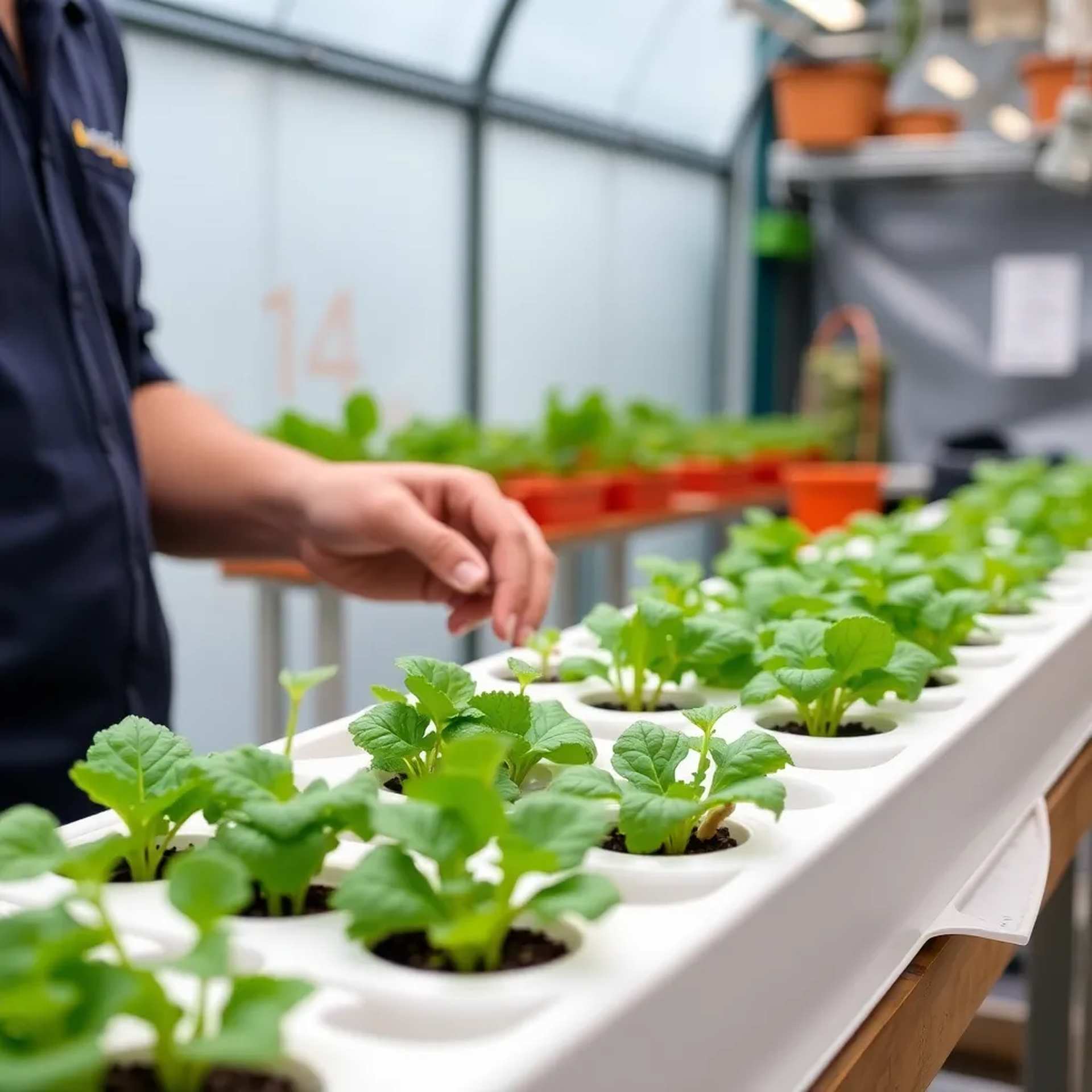
The NFT system operates on a simple yet elegant principle: a thin film of nutrient solution flows continuously along the bottom of enclosed channels, providing plant roots with constant access to water, nutrients, and oxygen. Unlike deep water culture systems where roots are submerged, NFT allows roots to remain partially exposed to air, maximizing oxygen availability while maintaining optimal hydration.
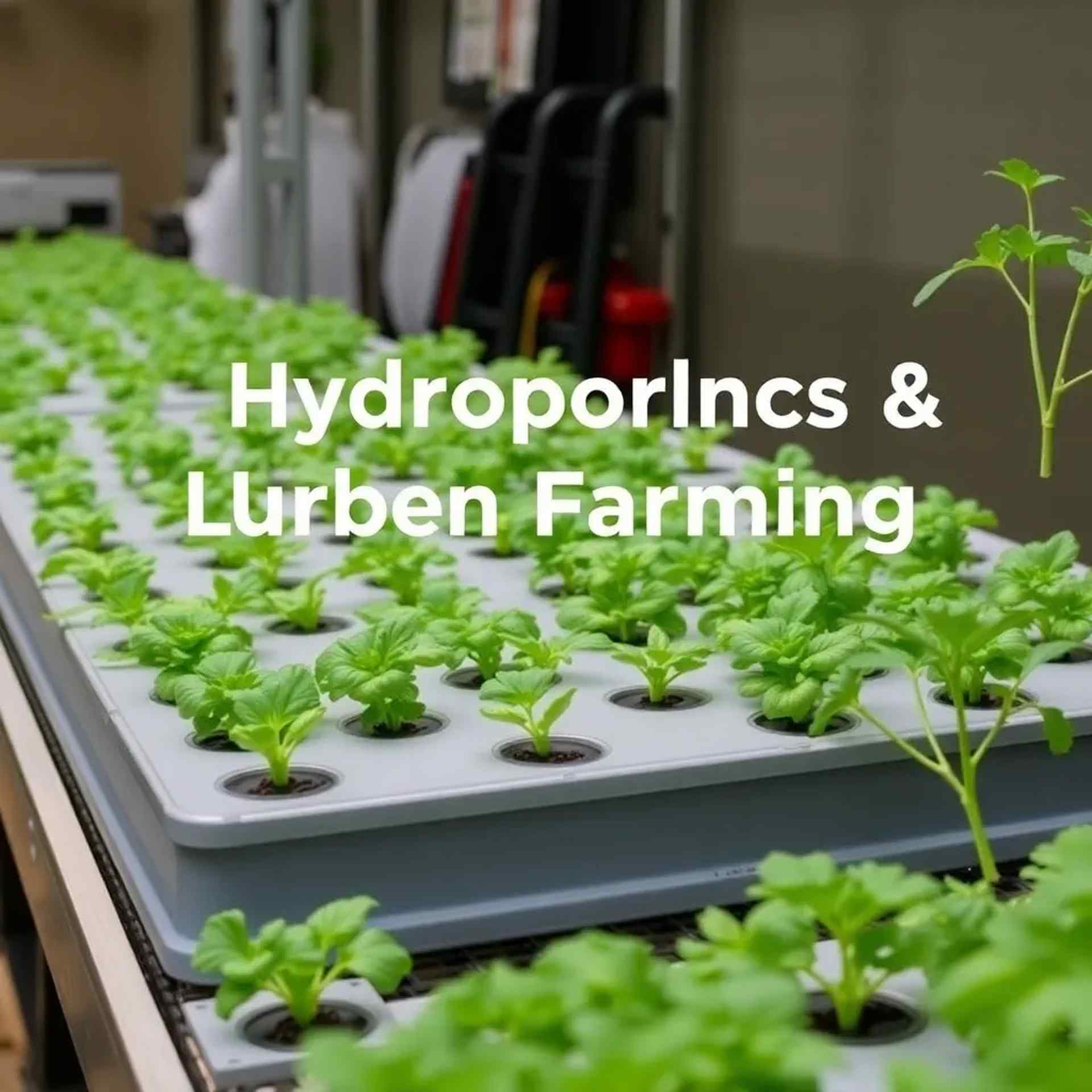
The system consists of several key components working in harmony. Growing channels, typically made from PVC pipes or specially designed gutters, are positioned at a slight angle (typically 1:100 slope) to allow gravity-fed flow. A reservoir holds the nutrient solution, which is pumped to the higher end of the channels and flows back to the reservoir, creating a closed-loop system that conserves both water and nutrients.
System Design and Setup
Proper system design is critical for NFT success. Channel sizing must accommodate plant root systems while maintaining appropriate flow rates. For leafy greens like lettuce and herbs, channels of 75-100mm width work well, while larger plants like tomatoes require 150-200mm channels. Channel length should not exceed 12 meters to prevent nutrient depletion and temperature increases along the flow path.
Flow rate optimization represents a crucial consideration. The ideal flow rate creates a thin film (2-3mm deep) moving at approximately 1 liter per minute. Too slow, and nutrient concentration may become uneven; too fast, and roots may not absorb nutrients efficiently. Installing flow control valves at each channel inlet allows precise adjustment and maintains consistency across the system.
Nutrient Management in NFT Systems
NFT systems demand precise nutrient management. The closed-loop nature means any imbalances quickly affect all plants. Maintaining electrical conductivity (EC) between 1.8-2.5 mS/cm for most crops ensures optimal nutrient concentration, while pH must remain between 5.5-6.5 for maximum nutrient availability. Daily monitoring is essential, as plant uptake constantly changes solution composition.
Temperature control of the nutrient solution is often overlooked but critically important. The ideal temperature range is 18-22°C (64-72°F). Higher temperatures reduce dissolved oxygen levels and promote pathogen growth, while lower temperatures slow nutrient uptake and plant growth. In tropical climates like Malaysia, this may require cooling systems or scheduling operations for cooler times of day.
Plant Selection and Management
Not all plants thrive equally in NFT systems. Fast-growing leafy greens excel in this environment—lettuce varieties can reach harvest size in just 28-35 days. Herbs like basil, cilantro, and mint also perform exceptionally well. Strawberries represent a popular fruiting crop for NFT, though they require larger channels and more robust support structures.
Plant spacing in NFT systems directly impacts yield and quality. Overcrowding reduces air circulation, promoting fungal diseases and reducing light penetration. For lettuce, 20-25cm spacing provides optimal results, while herbs can be planted slightly closer at 15-20cm. Larger plants like strawberries need 30-35cm spacing to accommodate their more extensive root systems and canopy spread.
Common Challenges and Solutions
NFT systems, while highly efficient, present unique challenges. Root clogging represents the most frequent issue—as plants mature, roots can block channels, disrupting flow to downstream plants. Regular monitoring and strategic plant placement (spacing larger plants at channel ends) helps prevent this problem. Installing removable channel sections facilitates maintenance without disturbing the entire system.
Power failures pose significant risks in NFT systems since roots dry quickly without continuous flow. Unlike deep water culture where submerged roots can survive hours without aeration, NFT roots may show stress in as little as 30 minutes without flow. Installing battery backup systems or emergency irrigation protocols protects your investment during outages.
Optimizing for Commercial Production
Commercial NFT operations require additional considerations for profitability and scalability. Automation systems that monitor and adjust pH, EC, and temperature reduce labor costs while improving consistency. Data logging allows analysis of system performance over time, identifying optimization opportunities that can significantly impact bottom-line results.
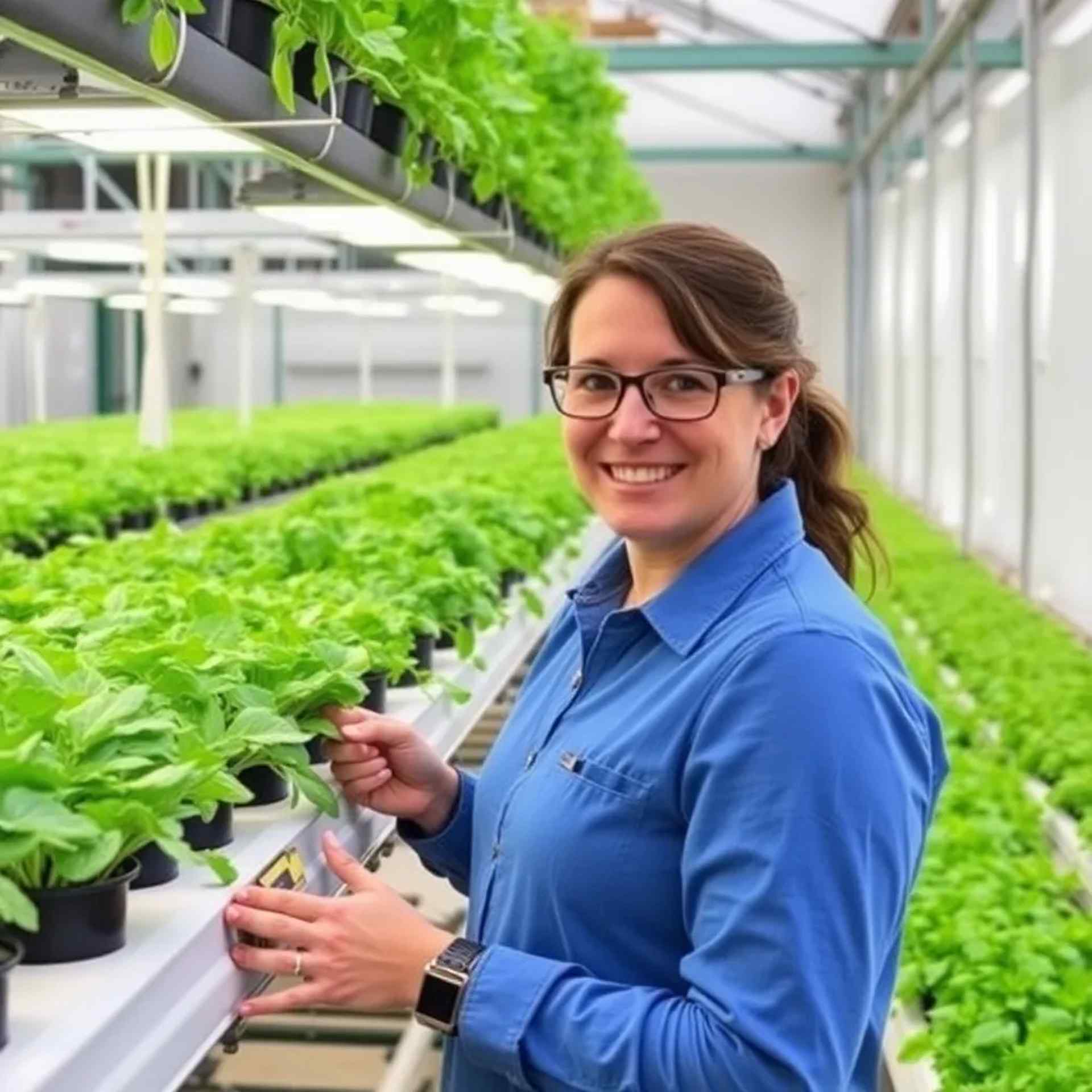
Multiple-level NFT systems maximize space utilization in expensive urban real estate. Vertical stacking of channels, when properly designed with adequate lighting for each level, can triple or quadruple production per square meter. However, this requires careful planning of lighting, air circulation, and maintenance access to remain practical for daily operations.
Environmental Control Integration
NFT systems achieve their full potential when integrated with comprehensive environmental controls. While the system efficiently delivers nutrients and water, plant growth still depends on proper lighting, temperature, and humidity. LED grow lights positioned 30-50cm above canopies provide optimal spectrum and intensity for leafy greens, while maintaining ambient temperatures of 20-25°C maximizes growth rates.
Humidity management is often overlooked but significantly impacts disease pressure and plant transpiration rates. Maintaining relative humidity between 60-70% provides the sweet spot for most crops—high enough to prevent excessive transpiration stress but low enough to discourage fungal growth. Proper air circulation, achieved through strategically placed fans, helps maintain these conditions while strengthening plant stems.
Conclusion: NFT for Malaysian Growers
NFT systems offer particular advantages for Malaysian growers facing land scarcity and water conservation needs. The 90% water savings compared to soil farming addresses both environmental concerns and operating costs. The system's adaptability to controlled environments protects crops from tropical weather extremes while enabling year-round production.
Success with NFT requires attention to detail and systematic management, but the rewards justify the effort. Higher yields per square meter, faster crop cycles, and superior product quality create competitive advantages in increasingly demanding markets. As you implement these principles in your own operation, remember that observation and continuous refinement are key—every growing environment is unique, and optimal parameters may require adjustment based on your specific conditions and crop selections.
Want to Master NFT Systems?
Our Hydroponic Fundamentals course provides hands-on training with NFT systems and other growing methods. Register for our next session